
This post may contain affiliate links which are marked with *
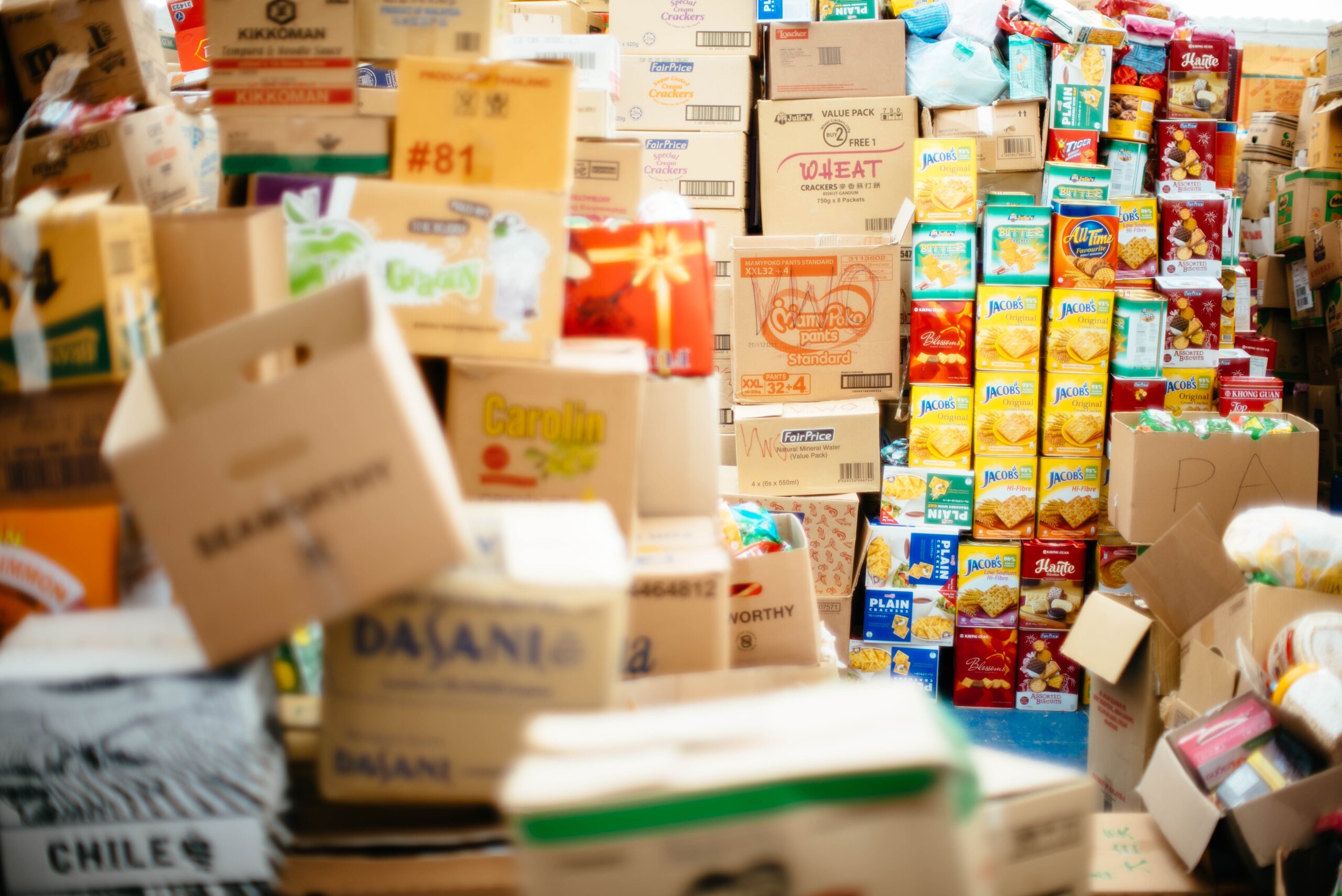
Child food poverty has been in the news a lot recently – mostly because of the government deciding not to provide extra support for families over the October half term. With that in mind, I am going to be taking part in Food Bank Advent and creating a Reverse Advent Calander to donate to my local food bank at the end of November.
This will be the fourth year I have taken part in an initiative to help provide additional food to food banks in the run-up to Christmas.
How Reverse Advent Works
The concept is simple. Collect 30 items of groceries, one for each day during November (or from the 6th to do 24 items) and donate them at the end of the month. This ensures there is plenty of time for the food bank to distribute them to those in need during December.
However, you can, of course, donate at any time during the festive period including December. There is lots of demand for Foodbanks in January too!
As well as collecting items yourself you could also turn this into a community project by collecting on behalf of a workplace or social group.
What To Donate
Below is a list of some items food banks are most desperate for:
- Tinned Fruit
- Tinned Puddings and Custard
- UHT Milk
- Instant Coffee
- Teabags
- Squash
- Tinned Meats
- Instant Noodles
- Biscuits
- Gravy Granules / Stock Cubes
- Instant Mash
- Pasta n Sauce
- Long-life fruit juice
- Jars of Sauce
You could also consider donating some Christmas items to bring a bit of festive cheer:
- Selection Box
- Tin/box of biscuits
- Mince Pies
- Christmas Pudding
- Chocolate Orange
- Chocolate pudding (as an alternative to Christmas pudding)
- Fruit Cake
You could also consider donating toiletries and household items such as:
- Soap / Shower gel
- Shampoo and Conditioner
- Hand wash
- Washing powder
- Washing Up Liquid
- Sanitary Products
- Deodorant
- Nappies/wet wipes
There are some items which food banks do not accept such as alcoholic drinks and infant formula as well any fresh food such as fruit and vegetables – donations of these should always be tinned.
While donating large bags of pasta, rice, tea bags etc may seem like a good idea, food banks often don’t have the resources to split these down into smaller packages. Food banks typically provide three days worth of food so smaller packets of things are better.
It’s also worth being mindful of fuel poverty too, this is why food such as dried noodles, quick-cook pasta and instant mash is good to do donate – they take very little time to cook.
Where To Donate Your Items
If you need to find your nearest foodbank you can search on the Trussell Trust website here.
Most supermarkets now have drop off points for their local food banks so even if you just pick up a couple of items with the weekly shop you can donate while you’re there.
Other Ways To Help
Food banks always appreciate monetary donations, as this can help them purchase items they are short and can also help with day to day running costs. This could be the perfect way to help out if you shop online and can’t get anywhere to physically make a donation.
Another option is to turn your Tesco Clubcard points into a donation to Fareshare, which you can do here.
