
This post may contain affiliate links which are marked with *
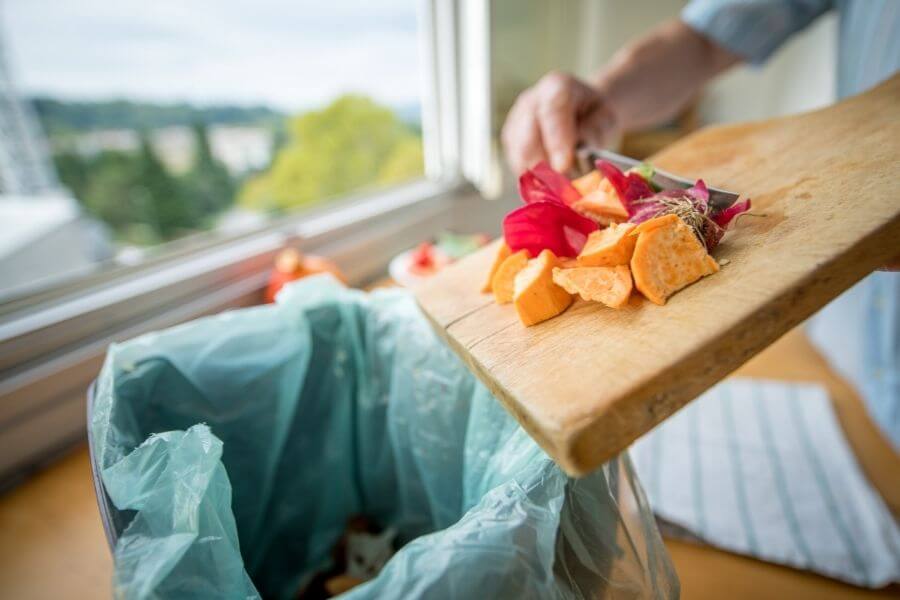
One thing I’ve not really covered on this blog are ways to reduce food waste. With the cost of both food and fuel increasing, I thought now would be the perfect time to look at ways we can all reduce food waste and in turn, save some money.
Why Is Reducing Food Waste Important?
As well as being a money issue, food waste is also an environmental issue.
Almost one-third of the food produced in the world ends up going to waste. The amount of energy used to produce that food, for it then not to be eaten is a huge waste of our resources.
10 Ways To Reduce Food Waste
1. Ignore Best Before
Best before, on most foods, can pretty much be ignored. While the food is at its best quality before that date, the majority of foods are still perfectly safe (and perfectly tasty!) to eat after the best before date.
This particularly applies to tinned and dried foods, which can safely be eaten years, even decades after the best before date has passed.
2. Use ‘Use By’ As A Guide
‘Use By’ dates are typically on foods that could be unsafe to eat after a certain date. However, the problem with use-by dates is they end up causing thousands of tonnes of perfectly edible food to be thrown away each year as people stick to them very strictly.
The problem is, food doesn’t magically become harmful or unsafe at 00.01 on its use-by date. Personally, I like to use use-by dates as more of a guide and use my senses to tell me what is safe to eat.
3. Love Your Leftovers
As a bit of a food waste ninja, I often end up freezing even the smallest amount of leftovers. Freezing small portions is a great option if you a toddler, it means you can whip out something for them if you’re having a dish that they don’t like.
Smaller portions are also perfect for lunch. Leftovers can also be made into tasty new dishes – for example, cooked rice can be made into fried rice, soup and arancini.
Related Post: 12 Easy Ways To Reduce Food Waste
4. Do Regular Stock Takes & Rotate Food
As I worked as a chef for many years, I’ve always been in the habit of doing regular stock takes of everything in my kitchen. Rotating food ensure that the oldest products get used up first.
Regular stock takes help you find foods hidden at the back of cupboards and ensure they are used up before they go out of date. It can also be a great start to meal planning and avoiding buying ingredients you already have in when you shop.
5. Switch To Frozen
There can sometimes be a bit of snobbery when it comes to frozen food, but as it’s often frozen on the day it’s picked, frozen food often has a higher nutrient content than fresh food.
If you find fresh fruit and vegetables are going to waste, especially soft fruits like strawberries and raspberries, then switching to frozen could be the answer. Plus, this will save you money too!

6. Use A Composter
There are definitely times when there is no other option but to get rid of leftover food. Using a composter at home is a great way to make sure all of your food waste is recycled and is then put to good use in your own garden.
If you don’t have room for a composter, then make sure all food goes into the food recycling bin, rather than the main bin.
7. Ways To Reduce Food Waste: Avoid Over Buying
It can be so easy to buy more food than we actually need. Between tempting special offers in the supermarket, having a cheeky Friday night takeaway instead of using up what’s in the fridge and having kids that love bananas one week and then hate them the next, it’s not surprising most of us end up throwing out food.
Knowing what’s in your cupboards before you shop, meal planning and sticking to a list of all great ways to avoid buying too much food.
8. Shop Yellow Stickers
I am obsessed with yellow stickers and a lot of the food we eat comes from the yellow sticker sections. With 5p loaves of bread and 18p rib-eye steaks, it’s a brilliant way to save money.
And because supermarkets aren’t allowed to sell food that’s past its use-by date, buying yellow stickers helps prevent food waste too.
9. Repurpose Wasted Food
One thing I’ve slowly been working on is adding as little food waste as possible to my food bin. A prime example of a meal that creates a lot of food waste is a Sunday roast. Most of us will peel the vegetables and potatoes without really giving it a second thought.
However, I now make all of my vegetable peeling into soup. I just add onion and make stock from the bones of whatever meat we’ve had, usually chicken. Potato peels can be made into crisps, southern fried potato skins or just added to the soup.
10. Ways To Reduce Food Waste: Store Food Correctly
Storing food correctly can help prevent food waste. A Freezer should be at least -18°C and a fridge should be at least 5°C.
Some foods really don’t like being stored together, for example, apples and oranges. Apples produce a gas that makes oranges deteriorate more quickly. Onions cause potatoes to go bad so they shouldn’t be stored in the same places.
Storing apples and pears in the fridge will help lengthen their shelflife, whereas potatoes prefer to be stored in a cool dark place such as a garage or pantry.
I hope these tips help eliminate some of the food waste issues in your home.
